
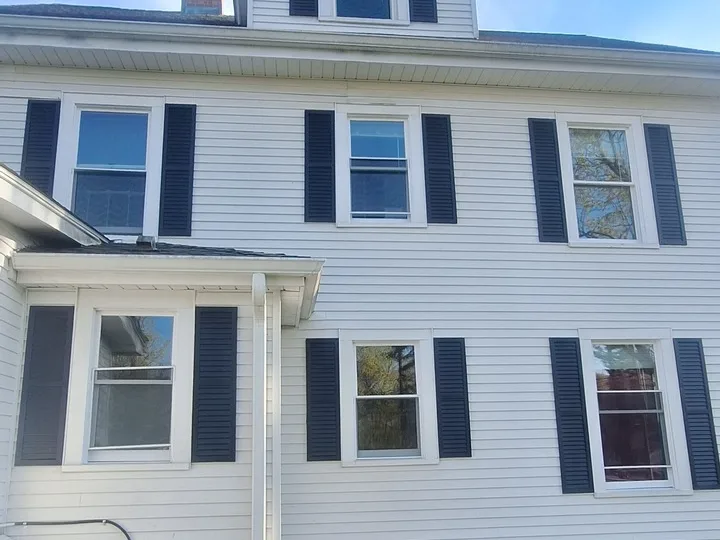
Every spring the calls start: can you paint my house this year? And every fall we have the same hard conversation with somebody who waited too long. Connecticut gives exterior painters a shorter season than most homeowners realize, and it shapes everything about how you should plan a repaint.
The real window: late spring to early fall
Exterior paint does not just need a dry day. It needs the surface and the air warm enough for the paint to cure properly, day and night, for a stretch of days. In Central Connecticut that reliably means roughly mid May through early October. Paint applied outside that window can fail early, no matter how good the painter is.
Why the good slots go first
Do the math: five months of paintable weather, minus rain days, minus jobs that run long because the prep uncovered rot or peeling layers. Every exterior crew in the state is working from the same short calendar. By midsummer, most reputable painters are booking the back half of the season, and late callers get pushed to next year.
What winter is actually for
The cold months are when smart homeowners get ahead. Book your estimate in winter or early spring and you get first pick of the season, time to make color decisions without pressure, and a locked price before the busy-season rush. It is also the perfect time for the inside work: interior painting and cabinet refinishing do not care what the thermometer says.
Signs your exterior should not wait another season
Peeling or bubbling paint, caulk pulling away from trim, gray weathered wood showing through, or chalky residue when you rub the siding. Paint is your house's raincoat. Once it fails, water gets to the wood, and wood repairs cost far more than paint. If you are seeing these signs, get on a schedule now, even if the work happens months out.